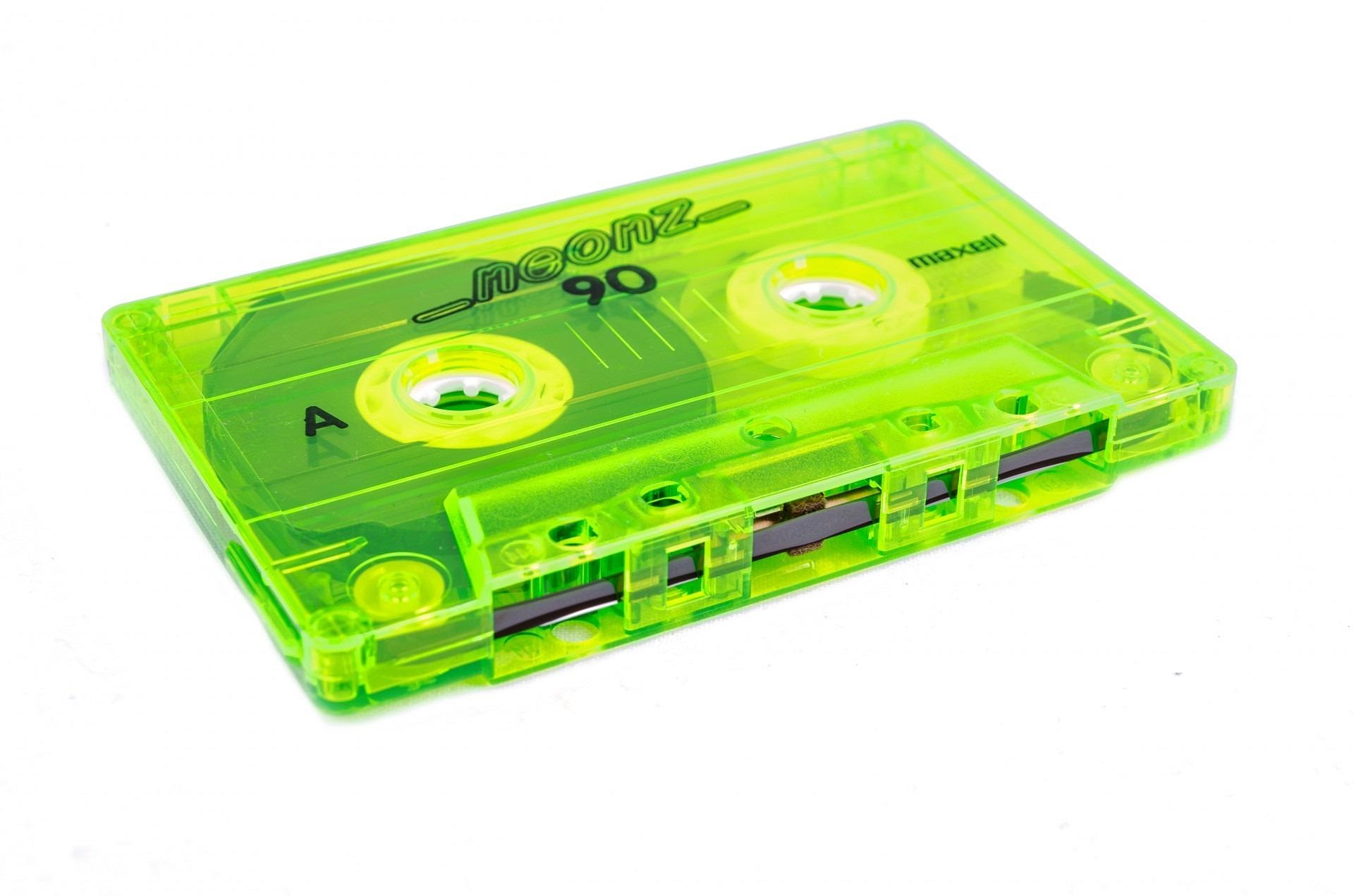
There’s something about 90s music that refuses to fade. Whether it’s blasting through car speakers, resurfacing on streaming playlists, or echoing through nostalgia-fueled conversations, the sounds of the 1990s continue to resonate across generations. But what exactly made this era so special?
The 90s were a melting pot of genres, each carving out its own identity while influencing the others. Grunge exploded out of Seattle, led by bands like Nirvana and Pearl Jam, delivering raw emotion and stripped-back authenticity. Their music wasn’t polished—it was real. It spoke to a generation grappling with identity, disillusionment, and change.
At the same time, hip-hop was undergoing a golden era. Artists like Tupac Shakur and The Notorious B.I.G. weren’t just making music—they were telling stories. Their lyrics painted vivid pictures of life, struggle, ambition, and survival. The East Coast vs West Coast rivalry became more than music; it became cultural history.
Pop music also reached new heights of global influence. Acts like Britney Spears, Backstreet Boys, and Spice Girls dominated charts with catchy hooks and polished production. These artists defined what it meant to be a global superstar, paving the way for modern pop icons.
Meanwhile, R&B flourished with smooth vocals and emotional depth. Artists like Boyz II Men and Mariah Carey delivered timeless ballads that still get played at weddings and on late-night playlists today. Their music captured love, heartbreak, and everything in between.
What truly set 90s music apart, though, was its authenticity. Before social media and algorithm-driven hits, artists relied on radio play, MTV exposure, and word of mouth. MTV was a cultural powerhouse, shaping trends and turning songs into visual experiences. Music videos weren’t just promotional tools—they were events.
Another key factor was the diversity of sound. Unlike today’s often genre-blended landscape, the 90s had clearly defined musical lanes. You knew when you were listening to grunge versus hip-hop versus pop. Yet despite these differences, all genres thrived simultaneously, creating a rich and varied musical ecosystem.
Perhaps the biggest reason 90s music still hits today is its emotional connection. For many, it represents a simpler time—before smartphones, before constant connectivity. It was music you had to seek out, wait for, and truly listen to. Albums were experiences, not just collections of singles.
In a world that moves faster than ever, the music of the 90s offers something rare: a sense of grounding. It reminds us of where we’ve been, how far music has come, and why certain songs never lose their power.
And maybe that’s the real magic of 90s music—it doesn’t just sound good. It feels like something.